Shortlands Skip Hire Health & Safety Policy
 Purpose and scope. This policy sets out the health and safety framework maintained by Shortlands Skip Hire to manage risks associated with skip hire, waste removal and rubbish collection. It applies to all employees, contractors and any authorised visitors engaged in skip operations, site deliveries, waste transfer and ancillary activities. The aim is to reduce harm, protect property and ensure consistent compliance with applicable safety principles across the rubbish company service area.
General statement of intent. We are committed to providing a safe working environment and to promoting a positive safety culture. Our objectives include preventing workplace injuries, minimising exposure to hazardous materials during waste handling and ensuring safe use of vehicles, lifting equipment and bins. Everyone is expected to cooperate with safety procedures and to report hazards promptly.
 Responsibilities. Management will: establish, resource and monitor safety arrangements; ensure risk assessments are completed for skip placements, waste collection routes and site activities; and provide relevant training. Employees and contracted operatives are responsible for following safe systems of work, using provided personal protective equipment and participating in training. The policy is reviewed periodically and updated as necessary to reflect improvements and regulatory expectations.
Risk assessment and control measures
All locations where skips are sited or rubbish is collected will be subject to a documented risk assessment. Assessments consider manual handling hazards, traffic management, ground conditions, overhead obstructions and potential contamination by hazardous waste. Where risks are identified, we apply a hierarchy of controls: elimination, substitution, engineering controls, safe systems of work and, where residual risk remains, provision of appropriate personal protective equipment.
Controls for typical skip hire and waste removal operations include clear signage, vehicle exclusion zones, use of banksmen for vehicle movements, secure skip positioning and token procedures for identifying contaminated loads. We maintain plant and vehicles to safe standards and require pre-shift checks to ensure brakes, lights, load restraints and hydraulic systems are serviceable.
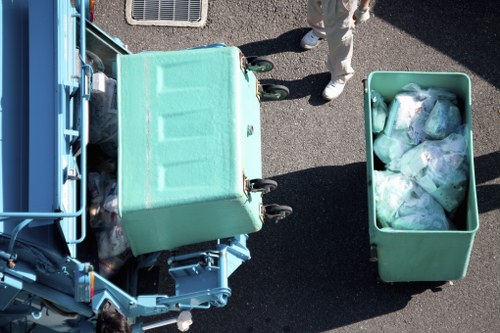 Training and competence. All operatives involved in skip hire services, rubbish removal and waste transport receive induction training and task-specific instruction. Training covers manual handling techniques, hazardous waste awareness, correct lifting procedures, use of PPE, fire safety and emergency procedures. Competence is verified through observation, periodic refreshers and records retained centrally to demonstrate ongoing capability.
Safe working practices
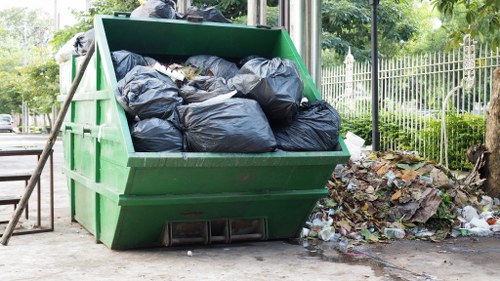
Specific safe working practices address routine and non-routine activities: site surveys before placing skips, secure stacking and load distribution within skips, proper segregation of waste types and clear protocols for dealing with unknown or hazardous items. Staff must not lift items that exceed their capability without mechanical aid. Strong emphasis is placed on avoiding overfilling skips to eliminate spillage risks during transportation.
The policy requires that drivers and operatives follow traffic management plans for the rubbish company service area and use designated access routes. Work at height is minimised and controlled; where necessary, fall prevention measures and appropriate equipment are used. All electrical and mechanical maintenance is performed by competent personnel and recorded in maintenance logs.
Emergency preparedness includes procedures for spills, fires, medical incidents and vehicle collisions. First-aid provisions, spill kits and fire extinguishers are maintained at operational locations, and key personnel are trained in their use. Incidents are reported and investigated to prevent recurrence and to identify opportunities for improvement.
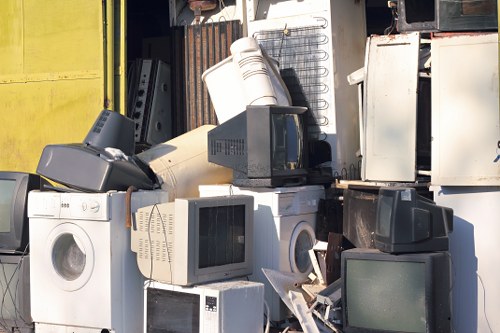 Hazardous materials and waste segregation. We operate strict controls on hazardous waste and require segregation at source. Prohibited items such as asbestos, pressurised cylinders, certain chemicals and medical waste must not be placed in general skips. When hazardous materials are suspected, operations are paused and specialist disposal procedures are implemented to protect staff and the environment.
To support consistent practice, the policy sets out a clear list of responsibilities and actions. These include:
- Conducting and recording risk assessments for each job;
- Ensuring staff use required PPE and safe plant operation techniques;
- Maintaining vehicles, skips and equipment to required standards;
- Segregating waste streams to avoid cross-contamination;
- Promptly reporting, recording and investigating incidents.
 Monitoring, review and continuous improvement. Performance is monitored through regular inspections, audits and incident trend analysis. Safety meetings and toolbox talks are used to communicate lessons learned and to reinforce responsibilities. This health and safety policy is reviewed at scheduled intervals and whenever significant operational changes occur, with the intention of driving continuous improvement in our skip hire operations and waste management practices.
Compliance and legal context. While not a legal advisory document, this policy aligns with widely accepted safety principles and the expectations for businesses involved in waste removal and transfer. It is intended to help ensure that the skip hire firm meets its obligations and that safety is embedded in everyday operations.
Acceptance. All staff, contractors and site visitors are expected to understand and comply with this policy. Failure to follow procedures may result in corrective action, up to and including withdrawal of site access or contractual remedies. The company is committed to supporting staff to meet these standards through training, supervision and resource allocation.
End of policy. This document provides the framework for safe operations in skip hire, rubbish collection, waste disposal and related services. Its effectiveness depends on the commitment of management and the active participation of the workforce to maintain a safe and healthy working environment.