Comprehensive Construction Waste Clearance in Shortlands
Understanding Construction Waste Clearance
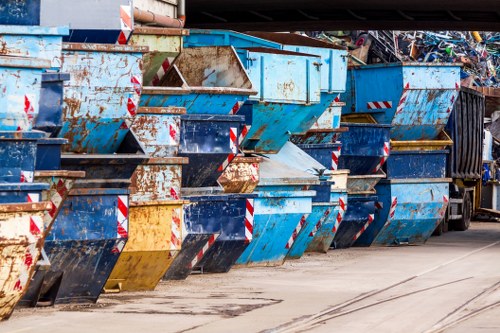
Construction waste clearance is an essential aspect of any building or renovation project. Properly managing and disposing of construction debris ensures safety, compliance with local regulations, and environmental responsibility. In Shortlands, a growing hub for residential and commercial development, efficient waste clearance services are in high demand.
The process involves the removal of materials such as concrete, wood, metals, and other debris generated during construction activities. Effective waste clearance not only maintains a clean site but also contributes to the overall sustainability of the construction industry.
Shortlands, known for its vibrant community and expanding infrastructure, requires specialized waste management solutions tailored to its unique needs. Whether it's a small renovation or a large-scale construction project, understanding the nuances of construction waste clearance in Shortlands is crucial for project success.
Importance of Proper Waste Clearance
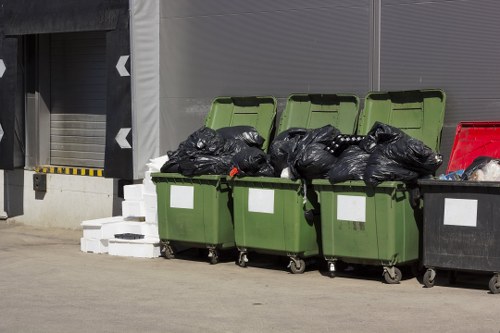
Proper waste clearance plays a pivotal role in maintaining the integrity of construction sites. It reduces the risk of accidents by eliminating hazardous materials and ensuring pathways remain clear. Moreover, it helps in adhering to environmental standards, preventing pollution, and promoting recycling and reuse of materials.
In Shortlands, local regulations mandate the responsible disposal of construction waste. Non-compliance can result in hefty fines and delays in project timelines. Therefore, partnering with a reputable waste clearance service is essential to navigate these regulations effectively.
Beyond regulatory compliance, proper waste management enhances the reputation of construction businesses. Clients and stakeholders are increasingly valuing sustainability practices, making efficient waste clearance a competitive advantage in the market.
Services Offered in Shortlands
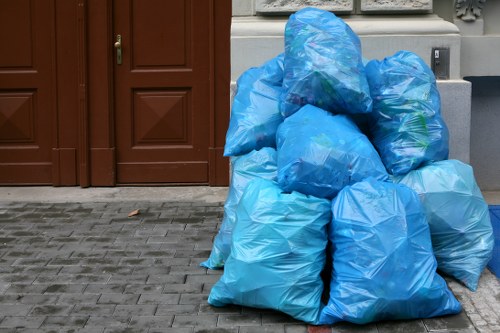
Construction waste clearance services in Shortlands offer a comprehensive range of solutions to meet diverse project requirements. These services typically include:
- Debris Removal: Safe and timely removal of construction debris from the site.
- Recycling Services: Sorting and recycling materials such as metal, wood, and concrete to minimize landfill impact.
- Hazardous Waste Management: Specialized handling and disposal of hazardous materials in compliance with safety standards.
- Site Cleanup: Ensuring the construction site is clean and organized, promoting a safe working environment.
- Waste Audits: Assessing the types and quantities of waste generated to optimize clearance processes.
Choosing the Right Waste Clearance Service
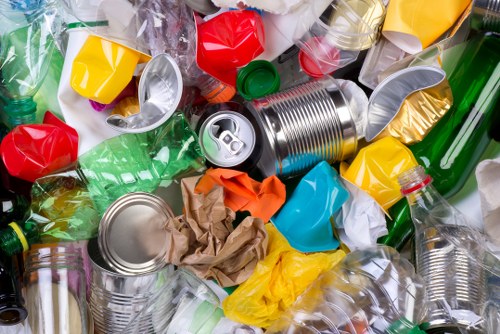
Selecting a reliable construction waste clearance service in Shortlands involves several considerations. Here are key factors to consider:
- Experience and Expertise: Ensure the service provider has extensive experience in handling various types of construction waste.
- Compliance with Regulations: The company should adhere to local laws and environmental regulations.
- Range of Services: A comprehensive service offering can address all waste management needs efficiently.
- Recycling Capabilities: Prioritizing companies that emphasize recycling and sustainable practices.
- Customer Reviews and Testimonials: Positive feedback from previous clients indicates reliability and quality service.
Benefits of Professional Waste Clearance

Engaging professional construction waste clearance services in Shortlands offers numerous advantages:
- Time Efficiency: Experienced teams can quickly and efficiently clear waste, keeping the project on schedule.
- Cost-Effective: Proper waste management can reduce costs associated with delays and fines.
- Environmental Protection: Responsible disposal and recycling help protect the environment.
- Enhanced Safety: Maintaining a clean site minimizes accidents and promotes a safe work environment.
- Regulatory Compliance: Ensuring all waste disposal meets local and national regulations.
Environmental Impact of Construction Waste
Construction waste can have significant environmental repercussions if not managed properly. Materials like concrete and metals take years to decompose, contributing to landfill overflow and environmental degradation. Additionally, improper disposal can lead to soil and water contamination, harming local ecosystems.
In Shortlands, the community places a strong emphasis on sustainability. Effective construction waste clearance aligns with these values, promoting greener building practices and reducing the carbon footprint of construction projects.
By choosing eco-friendly waste management solutions, construction companies can demonstrate their commitment to environmental stewardship, resonating with environmentally conscious clients and stakeholders.
Recycling and Reuse Initiatives
Recycling and reusing construction materials are integral components of modern waste management strategies. In Shortlands, many waste clearance services prioritize the segregation of materials to maximize recycling potential.
For instance, metals such as steel and aluminum can be melted down and reused, while wood can be repurposed for other construction or artistic projects. Concrete can be crushed and utilized as aggregate for new construction, reducing the need for virgin materials.
Implementing these initiatives not only conserves resources but also lowers project costs and minimizes environmental impact. It fosters a circular economy within the construction industry, where materials are continuously reused and recycled.
Regulatory Framework in Shortlands
Shortlands has established a robust regulatory framework governing construction waste management. These regulations are designed to ensure that waste is handled responsibly, minimizing environmental and health risks.
Key regulatory aspects include:
- Waste Classification: Categorizing waste types to determine appropriate disposal methods.
- Licensing Requirements: Ensuring waste clearance companies possess the necessary licenses and permits.
- Reporting and Documentation: Maintaining accurate records of waste disposal activities for accountability.
- Penalties for Non-Compliance: Imposing fines and sanctions on entities that fail to adhere to waste management laws.
Understanding and complying with these regulations is essential for construction projects to avoid legal complications and contribute to local sustainability efforts.
Innovative Technologies in Waste Clearance
The integration of advanced technologies is revolutionizing construction waste clearance in Shortlands. Innovations such as automated sorting systems, GPS tracking for waste collection, and digital waste management platforms enhance efficiency and accuracy.
Automated sorting systems can quickly separate different types of waste, reducing manual labor and increasing recycling rates. GPS tracking enables real-time monitoring of waste collection routes, optimizing logistics and reducing fuel consumption.
Digital platforms facilitate better communication between construction sites and waste clearance services, allowing for seamless scheduling, tracking, and reporting. These technologies not only streamline operations but also ensure transparency and accountability in waste management processes.
Cost Considerations
Budgeting for construction waste clearance is a critical aspect of project planning. The cost of waste management services in Shortlands varies based on factors such as project size, volume of waste, and the complexity of disposal requirements.
Key cost factors include:
- Volume of Waste: Larger projects generate more waste, increasing clearance costs.
- Type of Materials: Hazardous or non-recyclable materials may incur higher disposal fees.
- Service Frequency: Regular clearance schedules can affect overall costs.
- Location: Accessibility and distance to disposal facilities influence pricing.
To manage costs effectively, it's advisable to obtain detailed quotes from multiple service providers and consider long-term waste management strategies that emphasize recycling and reuse.
Case Studies: Successful Waste Clearance Projects
Highlighting successful construction waste clearance projects in Shortlands demonstrates the effectiveness and benefits of professional services. These case studies showcase real-world examples of how efficient waste management contributes to project success.
For instance, a recent commercial development in Shortlands implemented a comprehensive waste clearance plan that included recycling 70% of the materials. This not only reduced disposal costs but also earned the project green certifications, enhancing its market appeal.
Another example involves a residential renovation where timely waste removal minimized site disruptions and maintained a safe environment for workers and residents. These cases illustrate the tangible benefits of investing in quality waste clearance services.
Future Trends in Waste Clearance
The construction industry in Shortlands is continuously evolving, and so are the trends in waste clearance. Future developments are likely to focus on increased automation, enhanced recycling technologies, and greater emphasis on sustainability.
Emerging trends include the use of artificial intelligence to predict waste generation and optimize clearance schedules, as well as the adoption of more eco-friendly disposal methods. Additionally, there will be a stronger push towards zero-waste construction practices, aiming to eliminate all waste through design, material selection, and efficient processes.
Staying abreast of these trends enables construction companies in Shortlands to remain competitive and aligned with global sustainability goals.
How to Implement Effective Waste Clearance
Implementing an effective construction waste clearance strategy involves careful planning and execution. Here are steps to ensure successful waste management:
- Assessment: Evaluate the types and quantities of waste expected from the project.
- Planning: Develop a waste management plan outlining clearance schedules, recycling goals, and disposal methods.
- Partnering: Collaborate with reputable waste clearance services in Shortlands that align with your sustainability objectives.
- Segregation: Organize waste on-site to facilitate efficient sorting and recycling.
- Monitoring: Regularly track waste metrics to ensure compliance and identify areas for improvement.
By following these steps, construction projects can achieve optimal waste clearance, contributing to overall efficiency and sustainability.
Conclusion
Construction waste clearance is a critical component of successful building projects in Shortlands. It ensures safety, compliance, and environmental responsibility while enhancing the efficiency and reputation of construction businesses. By understanding the importance of proper waste management, selecting the right service providers, and staying informed about industry trends, stakeholders can achieve sustainable and cost-effective construction outcomes.
Don’t wait to make your construction project cleaner and more efficient. Contact us today to learn how our waste clearance services in Shortlands can support your next build!