Shortlands village centre bulky rubbish removal guide
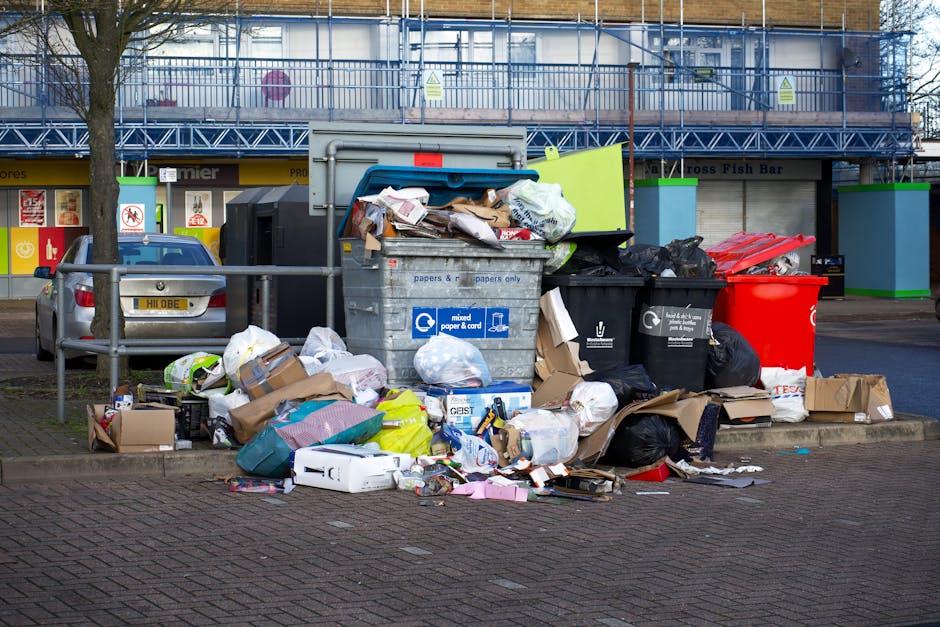
If you are trying to clear a sofa, broken wardrobe, old carpet, or a pile of mixed junk from around Shortlands village centre, the job can get messy quickly. Access can be tight, parking can be awkward, and bulky items are rarely as simple as "just take them away." This Shortlands village centre bulky rubbish removal guide walks you through the practical choices, the common traps, and the smartest way to get heavy waste out without turning a simple clearance into a full-scale headache.
Whether you are clearing a flat above a shop, tidying a family home, or dealing with leftover waste after a refurb, the best solution depends on volume, access, timing, and what the items actually are. Let's make it straightforward.
Why Shortlands village centre bulky rubbish removal guide Matters
Bulky rubbish is the sort of thing that quietly takes over a space. One unused armchair becomes two, then a damaged chest of drawers turns up in the hallway, and suddenly the room feels smaller, darker, and a bit more stressful than it should. In a village centre setting, that stress is often amplified because access is shared, neighbours are close, and vehicles may need careful coordination. That is why a proper bulky waste plan matters.
In practical terms, the wrong approach can mean wasted trips to the tip, blocked pavements, avoidable damage to walls or stairs, and extra charges for lifting items that were not ready to go. The right approach saves time and usually feels much calmer. Truth be told, most people do not need more "options"; they need one sensible route that fits the space they actually have.
It also matters because bulky items are rarely all the same. A mattress, for example, is not the same as a fridge. Old office chairs are different from builders' rubble. Garden waste is a different beast again. If you sort the job properly at the start, the rest becomes much easier.
If your clearance is part of a wider home project, you may also find it helpful to look at domestic skip hire or house clearance for larger jobs that go beyond a single bulky item.
How Shortlands village centre bulky rubbish removal guide Works
The basic process is simpler than many people expect. Start by identifying what needs removing, where it is located, and how much of it there is. Then choose the collection method that matches the job. For some households, a straightforward rubbish removal service is ideal. For others, a skip, a wait-and-load arrangement, or a man-and-van style collection may be better.
Here is the usual flow:
- Separate bulky items from general waste.
- Check for anything that needs special handling, such as appliances or hazardous materials.
- Work out whether items can be lifted safely from the property.
- Decide whether you need a container on site or a same-day collection.
- Arrange the removal and make sure access is clear.
In Shortlands village centre, access is often the deciding factor. If there is limited parking or no easy place to leave a skip, a wait and load skip hire option can be more practical because the vehicle stays for a short, planned window while the waste is loaded. If you have a driveway or a suitable frontage, a standard skip may be the better fit.
For awkward, heavy, or mixed loads, a service such as grab hire services can be useful too, especially where waste is piled up and needs quick loading. It is not always the cheapest route, but it can be the least faff. And sometimes that matters more than anything else.
Key Benefits and Practical Advantages
Good bulky rubbish removal is not just about getting rid of junk. It can create breathing room, reduce trip hazards, and make the whole property feel usable again. You notice it straight away when the clutter disappears. Doors open properly. Hallways stop feeling like storage cupboards. The place seems to exhale a bit.
- Faster clearance: Large items are removed in one organised move instead of several car-loads.
- Less physical strain: Heavy lifting is handled by people and equipment designed for it.
- Better space planning: You can clear a room, garden, garage, loft, or office with less disruption.
- Cleaner separation of waste: Recyclable materials and reusable items are easier to identify.
- Improved safety: Broken furniture, glass, and awkward objects are not left stacked where they can cause accidents.
For business premises or shared buildings, the benefits are even more noticeable. A tidy entrance or back area improves day-to-day operations and cuts down on complaints from staff or neighbours. If you are dealing with a workplace, office clearance may be the more relevant route.
There is also a sustainability angle. A proper waste contractor can sort materials more effectively than a rushed DIY clear-out. If that matters to you - and honestly it should - take a look at recycling and sustainability and waste recycling services as part of your decision-making.
Who This Is For and When It Makes Sense
This guide is for anyone in or around Shortlands village centre who needs bulky waste shifted without drama. That might be a homeowner clearing an old settee. It might be a landlord refreshing a flat between tenancies. It might be a shop owner dealing with broken fittings, packaging, or display items. Or it could be someone helping a relative clear a house after years of "I'll deal with that later." We all know how that goes.
It usually makes sense to arrange proper bulky rubbish removal when:
- items are too large for normal household bins
- you have several heavy objects, not just one
- stairs, narrow paths, or parking restrictions make DIY removal awkward
- you need the waste gone quickly before decorators, movers, or trades arrive
- you want a clearer, safer, more organised way to handle mixed waste
It also makes sense if you are combining bulky items with other clearance work. For example, a garage full of old furniture, garden debris, and broken appliances may be better handled through garage and loft clearance or garden waste removal, depending on what is involved.
For larger family clearances, house clearance is often the cleaner solution. For renovation work, you might be looking at builders skip hire or builders waste removal instead.
Step-by-Step Guidance
Here is the most practical way to handle bulky rubbish removal without unnecessary back-and-forth.
1. Make a clear list of the items
Walk through the property and write down everything that needs removing. Be specific. "Old furniture" is less useful than "2 wardrobes, 1 mattress, 1 sofa, 1 broken desk." Specific lists help with quotes and avoid surprise charges later on.
2. Separate bulky waste from special waste
Some items need extra care. Appliances, mattresses, confidential paperwork, and certain chemical or contaminated materials should not be mixed in with normal rubbish. If you have an old fridge, for example, check whether you need fridge and appliance removal. If you have papers or records, confidential shredding may be more appropriate.
3. Think about access before you book
Ask yourself the unglamorous questions. Can a vehicle stop nearby? Is there room for a skip? Are the stairs steep? Is there a lift? If access is tight, a removal team may prefer a short-stay load-and-go approach rather than leaving a container for the day.
4. Choose the right removal method
This is where many jobs are won or lost. If your load is modest and you have somewhere suitable to place waste, a skip may be straightforward. If parking is limited, a man and van service can be practical. If you need the waste lifted quickly from a difficult location, grab or wait-and-load options are worth comparing.
5. Prepare items for collection
Take doors off if needed, empty drawers, remove loose contents, and keep paths clear. Small prep saves bigger hassle. A couple of minutes here can prevent a twenty-minute delay later on. That is usually where the hidden value sits.
6. Confirm what can and cannot go
Before collection day, check the permitted waste list carefully. If you are using a skip, the page on what can go in a skip is a useful reference point. It is much easier to sort things at the start than to discover something cannot be taken once the vehicle is there.
7. Keep communication clear on the day
If you are not going to be present, leave simple instructions. If you are present, point out the items in a logical order. Most good removal jobs run smoothly because everyone knows the plan. Sounds obvious. It often isn't.
Expert Tips for Better Results
After enough clearances, a few patterns become obvious. The jobs that go smoothly are usually the ones where the customer has thought one step ahead.
- Take photos before booking. A quick image of the waste pile, access route, and any tight corners can save everyone time.
- Measure the awkward pieces. Long wardrobes and large sofas can be harder to move than they look in a room.
- Group items by type. Furniture in one pile, general junk in another, appliances separate if possible.
- Check for lifting risks. Wet carpet, damaged glass, and rotten timber can be heavier or more fragile than expected.
- Book with the rest of the project in mind. If decorators or flooring fitters are due the next morning, arrange removal the day before.
One small but valuable tip: if the property has a narrow front path or shared entrance, protect the route before moving anything. A bit of cardboard or temporary covering can reduce scuffs and stress. Not glamorous, but very useful.
For jobs where security matters, such as building materials left near a shared entrance, enclosed and lockable skip hire may be worth considering. It is especially handy when waste has to sit on-site for more than a quick collection window.
Common Mistakes to Avoid
Bulky rubbish removal sounds simple until the details start biting. These are the mistakes that cause most avoidable problems.
- Assuming everything can go together. Furniture, appliances, builders' waste, and hazardous materials often need different handling.
- Leaving access to chance. Tight streets and blocked entrances can derail a booking fast.
- Overfilling a skip or pile. This can create safety issues and may lead to delays or additional charges.
- Forgetting permit needs. If a skip has to go on a public road, you may need a permit. The related skip hire permits and skip permits information is worth reviewing early.
- Mixing in prohibited waste. A few incorrect items can change the whole job.
Another common one is underestimating the load. A single room can produce more rubbish than people think, especially once you start moving things. One pile behind the wardrobe becomes another behind the sofa. Suddenly, it is not a tiny job at all.
And yes, one more: not checking pricing structure before you book. If you want a clearer idea of the likely spend, explore skip sizes and prices and pricing and quotes before making a final decision.
Tools, Resources and Recommendations
You do not need fancy kit to organise bulky waste, but a few practical tools make life easier. A tape measure, gloves, strong boxes, labels, and a phone camera are usually enough for most domestic clearances. If you are sorting through a bigger property, a basic room-by-room checklist helps avoid missed items tucked in cupboards or under beds.
For disposal options, these pages can help you compare what fits your situation:
- skip hire for straightforward on-site loading
- rubbish removal for hands-off collection
- same day skip hire when timing is tight
- wait and load skip hire for short, controlled loading windows
- skip sizes and prices for capacity planning
If the job is more specialist, there are dedicated services worth matching to the waste type. mattress and sofa disposal is useful for the kinds of items that are bulky, awkward, and not fun to shift. hazardous waste disposal should be used for anything unsafe or regulated. And if the clearance involves lots of different material types, site clearance or construction waste clearance may fit better than a generic collection.
For many people, the best recommendation is simple: match the service to the waste, not the other way round. That keeps things efficient and avoids paying for the wrong kind of help.
Law, Compliance, Standards, or Best Practice
Bulky rubbish removal in the UK is not just a matter of convenience. Waste must be handled responsibly, and it is wise to use a provider that follows normal legal and environmental expectations. You do not need to become a waste law expert, but you should expect sensible standards around handling, transport, recycling, and safety.
In plain English, good practice usually means:
- waste is collected and transported safely
- items are separated where practical for recycling or reuse
- restricted waste is not mixed in with general rubbish
- access and loading are managed in a way that protects people and property
- any required permissions or permits are considered before placement on public land
If you are placing a skip on a road or other public area, make sure you understand whether a permit is required. The safest approach is to check early rather than assume the logistics will work themselves out. Public pavement space is not the place for guesswork.
It is also sensible to review the provider's safety and working standards. Pages such as health and safety policy, insurance and safety, and payment and security can help reassure you that the basics are being taken seriously. That matters, especially for shared sites or busy residential streets.
Options, Methods, or Comparison Table
Different clearance methods suit different bulky waste jobs. Here is a simple comparison to help you choose.
| Method | Best for | Strengths | Things to watch |
|---|---|---|---|
| Rubbish removal | General bulky waste, mixed household items | Convenient, less lifting for the customer | May be less ideal for very large volumes |
| Skip hire | Projects with ongoing waste over a few days | Flexible, simple for phased clearances | Needs space and possibly a permit |
| Wait and load | Short access windows, tight streets | No skip left behind, quick turnaround | Requires the waste to be ready |
| Grab hire | Heavier mixed loads, awkward piles | Fast loading, good for bulky material | Access and pile positioning still matter |
| Man and van | Smaller clearances, flexible collection | Handy for stairs, flats, and one-off items | Can be less suitable for very bulky or heavy loads |
To be fair, there is no perfect option for every job. The best choice is the one that fits the waste type, the space available, and how quickly you need the mess gone. That is usually the whole game.
Case Study or Real-World Example
Imagine a small flat near Shortlands village centre after a long-overdue declutter. The hallway has an old mattress, a two-seater sofa that will not fit through the door without careful lifting, a broken desk, and a stack of mixed household items from the spare room. There is no driveway, only shared access, and parking is limited.
In that situation, a standard skip might be awkward because there is nowhere easy to place it. A short, planned collection window could work better. The waste is sorted in advance, the bulky furniture is moved to the front room, and fragile or restricted items are separated before the team arrives. If the sofa and mattress are included, using dedicated disposal support for those items keeps everything cleaner and more efficient.
What usually makes the difference is preparation. The customer who has cleared a path, grouped the waste, and checked item types tends to get a quicker, less stressful outcome. The one who leaves everything scattered around the flat? That's when the job slows down, and nobody enjoys that.
For a very similar setup, some people prefer man and van for a smaller load, while others choose wait and load skip hire where the timing and access are tightly controlled. Both can work well if matched correctly.
Practical Checklist
Use this quick checklist before booking bulky rubbish removal in Shortlands village centre.
- Have I listed every item that needs removing?
- Have I separated furniture, appliances, garden waste, and special items?
- Do I know whether any items need specialist handling?
- Have I measured the largest items and checked access routes?
- Is there space for a skip, vehicle, or loading area?
- Do I need a permit if something goes on public land?
- Have I checked what can go in a skip?
- Have I chosen the right service for the type and volume of waste?
- Is the collection time aligned with the rest of my project?
- Have I reviewed pricing and the provider's safety information?
If you can tick most of those off, you are in good shape. If not, pause for five minutes and sort the list. It usually pays off.
Conclusion
Bulky rubbish removal in Shortlands village centre does not need to be complicated, but it does need a bit of thought. The best results come from matching the method to the waste, checking access early, and separating anything that needs special treatment. Once those basics are in place, the job feels far less daunting.
Whether you are clearing one awkward item or a full room's worth of clutter, the right plan saves time, money, and quite a bit of frustration. And honestly, there is something satisfying about seeing a space transform after the last heavy item has gone. The room feels lighter. Quieter. More usable.
For a trusted next step, compare your options carefully, review the service details that fit your load, and choose the route that makes the whole process feel simple again.
Get a free quote today and see how much you can save.
If you want to speak with a local team about your clearance, you can also review about us and the book online option when you are ready. A tidy finish is a good feeling, and it is often closer than you think.
Frequently Asked Questions
What counts as bulky rubbish in Shortlands village centre?
Bulky rubbish usually means large or heavy items that do not fit into normal household bins, such as sofas, wardrobes, mattresses, desks, white goods, and other awkward household or office items.
Do I need a skip for bulky rubbish removal?
Not always. A skip can work well for ongoing clear-outs, but a direct rubbish removal or wait-and-load option may be better if you have tight access or only a small number of items.
Can I put a sofa and mattress in the same load?
Usually yes, but the service should confirm how they are handled. A dedicated mattress and sofa disposal service can be useful if those items are the main part of the job.
What happens if my bulky waste includes a fridge or freezer?
Fridges and freezers often need separate handling because of the materials and gases involved. It is better to arrange specialist fridge and appliance removal rather than treat them like ordinary furniture.
Is wait and load suitable for village centre properties?
Often, yes. If parking is limited and there is no space to leave a skip, wait and load can be a practical choice because the waste is loaded during a short visit.
How do I know if I need a permit for a skip?
If the skip will sit on a public road, pavement, or other public space, a permit may be required. If it stays on private land with enough room, one may not be needed. Check before booking so there are no surprises.
Can I mix builders' waste with household bulky rubbish?
Sometimes a mixed load is fine, but it depends on the material. Heavy rubble, plasterboard, timber, and household furniture are not always handled the same way, so it is best to confirm the mix in advance.
What is the most cost-effective option for a small clearance?
For a smaller load, a man and van or direct rubbish removal service can be more cost-effective than a skip, especially if you do not need the container for several days.
How can I prepare bulky items for collection?
Empty drawers, remove loose contents, clear a path, and separate any restricted or special items. If possible, group similar waste together so the collection goes faster.
What should I do with confidential papers during a clearance?
Use a dedicated confidential shredding service rather than putting sensitive documents into general waste. It is the cleaner, safer choice.
Are hazardous items included in bulky rubbish removal?
Not usually. Hazardous materials need separate handling, so anything potentially dangerous should be flagged before the collection takes place.
Which option is best if I am clearing a whole property?
For a whole-property clearance, house clearance is often the most efficient option. If the property includes lofts, garages, or mixed rooms, you may want to combine services depending on the waste types involved.